Every value is a transparent consensus of real marketplace data — never a single number we made up.
◆Real data sources
We pull prices from the open card-data sources that aggregate the major marketplaces: TCGdex (Pokémon), Scryfall (Magic), YGOPRODeck (Yu-Gi-Oh!), Lorcast (Disney Lorcana) and TCGCSV (One Piece, Digimon, Star Wars Unlimited, Dragon Ball, Gundam, Sorcery, Flesh and Blood, Weiss Schwarz, Grand Archive, Union Arena and Riftbound — TCGplayer's daily catalog) — sourcing TCGplayer, Cardmarket and more.
↻Update cadence
Prices are fetched live on every lookup and reflect each source's most recent published market data — typically refreshed daily. Snapshot-backed games (One Piece, Digimon, Star Wars Unlimited, Dragon Ball, Gundam, Sorcery, Flesh and Blood, Weiss Schwarz, Grand Archive, Union Arena and Riftbound) use a daily TCGplayer snapshot, dated right on the quote. Nothing is hard-coded or hidden-stale.
⛬The fusion algorithm
For each card we gather every available price signal, drop the outliers, and blend the rest with an outlier-resistant weighted consensus (a robust median anchor). That fused figure is your fair market value.
◑Confidence score
Each valuation carries a 0–100% confidence based on how many sources agree and how tightly. It drops when sources diverge, data is sparse, or a grade is estimated — so you always know how much to trust the number.
SplitShot reports estimates for guidance, not formal appraisals. We don't have per-sale auction history on the free data we use, so values reflect current market consensus rather than individual recent sales.
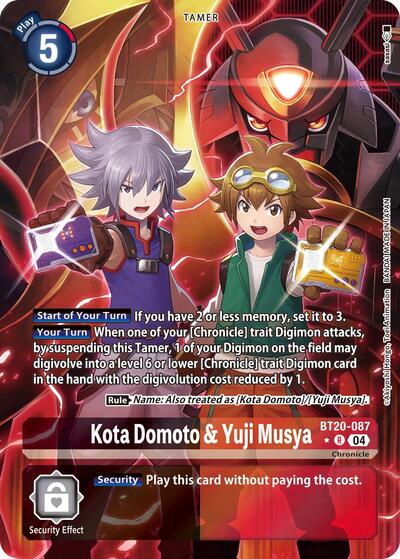 Kota Domoto & Yuji Musya (Alternate Art)$22.47▲ 59%
 Char Aznable (C+)$14.36▼ 60%
 Renji Abarai (047)$10.12▲ 59%
 Battlefield Emotions (C+)$7.47▼ 59%
 Armin Arlelt (077)$12.82▲ 59%
 Arakni, Tarantula (Marvel)$13.16▼ 59%
 Jewelry Bonney (Offline Regional Finalist Card Set 2025 Vol.2)$269.00▲ 58%
 Bedeviling Stranger$5.58▼ 59%
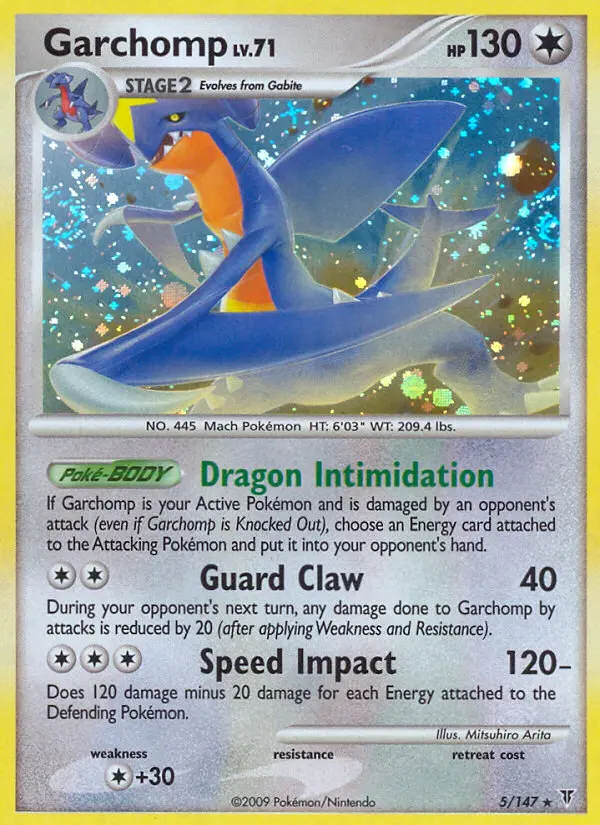 Garchomp$95.71▲ 58%
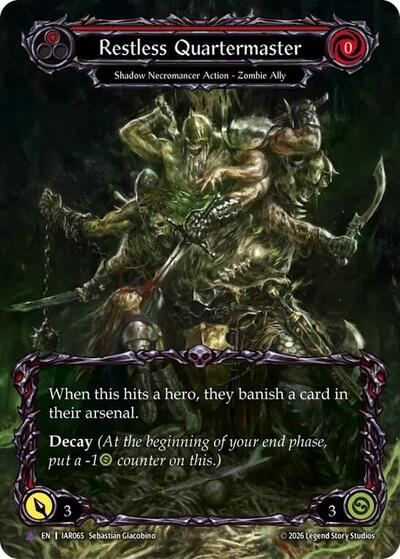 Restless Quartermaster (Marvel)$21.72▼ 59%
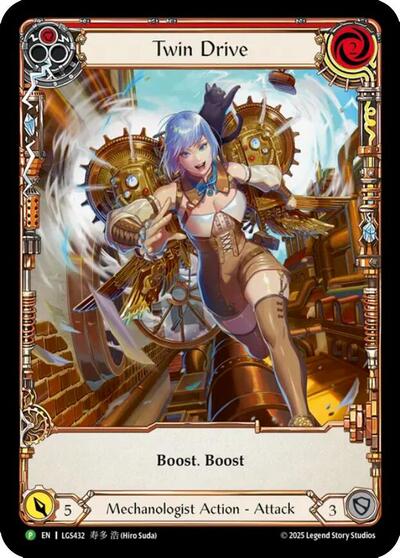 Twin Drive - LGS432$28.04▲ 58%
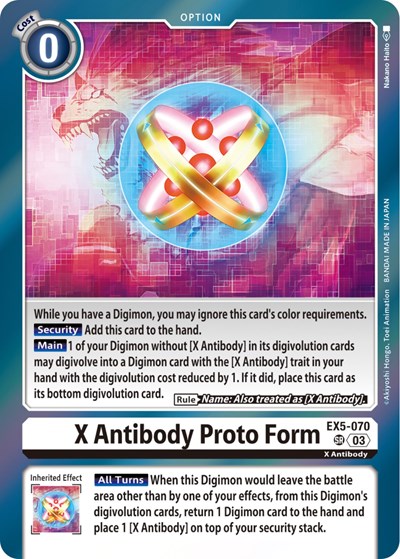 X Antibody Proto Form$8.94▲ 58%